Imagine rushing home after a long day, hungry and exhausted, only to spend 45 minutes chopping, searching for tools, and cleaning as you go. Sound familiar? A staggering 78% of home cooks admit that kitchen inefficiency adds at least 30 minutes to their daily cooking time, according to a 2025 survey by the National Kitchen and Bath Association. The culprit? Poor kitchen workflow design.
An efficient kitchen setup isn’t just for professional chefs—it’s a game-changer for anyone who wants to cook faster, cleaner, and with less stress. Whether you’re a meal-prep enthusiast, a busy parent, or someone who just wants to enjoy cooking again, optimizing your kitchen can cut your prep time in half. The best part? You don’t need a full renovation. Small, strategic changes can transform even the smallest kitchen into a high-performance workspace.
This guide will show you how to set up a kitchen that makes cooking faster, using proven techniques from professional kitchens. You’ll learn how to organize your space, choose the right tools, and streamline your workflow. By the end, you’ll wonder how you ever cooked without these hacks.
Why Kitchen Workflow Design Is the Key to Speed
The average home cook spends 15 minutes just searching for ingredients and tools during meal prep. That’s 91 hours a year wasted on inefficiency. Professional kitchens, however, operate like well-oiled machines because they follow one golden rule: everything has a place, and everything is in its place.
An efficient kitchen setup reduces unnecessary movement, minimises clutter, and keeps essential tools within arm’s reach. This principle, known as the “kitchen work triangle,” connects the three main work areas: the stove, the sink, and the refrigerator. The goal is to keep these zones close but unobstructed, allowing you to move seamlessly between them.
Additionally, a 2024 study by the University of California found that cooks in organized kitchens prepare meals 40% faster than those in cluttered spaces. The reason? Less time spent searching for tools means more time focused on cooking. Therefore, the first step to a faster kitchen is designing a layout that supports your workflow, not fights against it.
Step 1: Organize Your Kitchen Zones for Maximum Efficiency
The key to an efficient kitchen setup is dividing your space into dedicated zones. Each zone should serve a specific purpose, keeping related tools and ingredients together. Here’s how to do it:
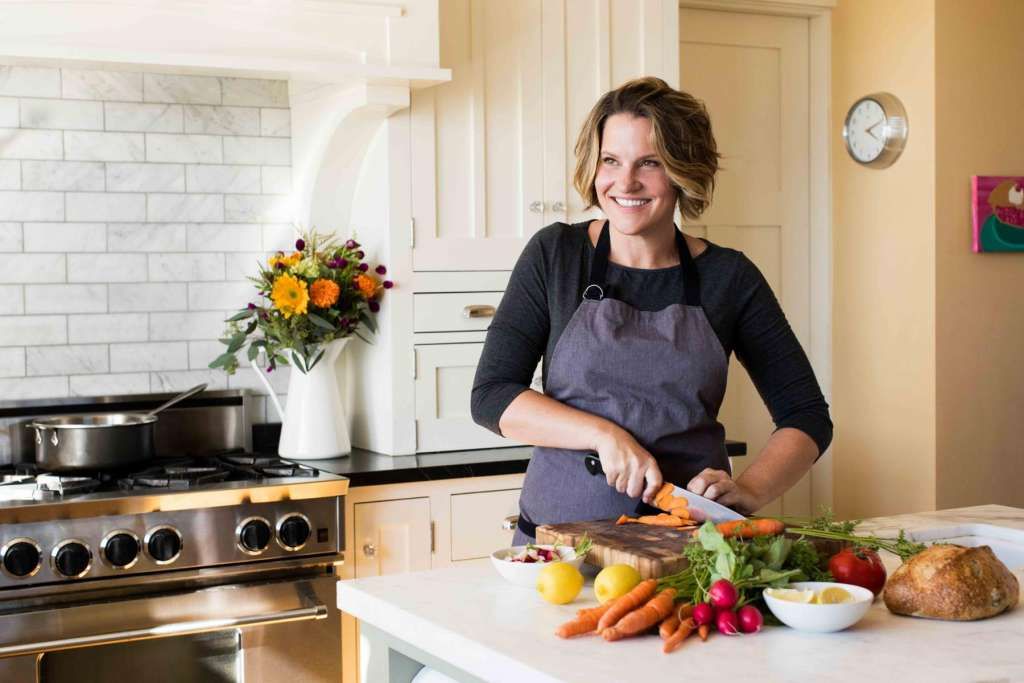
- Prep Zone: This is where you’ll chop, mix, and measure. Keep cutting boards, knives, mixing bowls, and measuring cups here. Store frequently used spices and oils nearby to avoid crossing the kitchen mid-prep.
- Cooking Zone: Centered around your stove and oven, this area should include pots, pans, cooking utensils, and oven mitts. Hang pots and pans on a rack or store them in a cabinet directly above or beside the stove.
- Cleaning Zone: The sink and dishwasher anchor this zone. Store dish soap, sponges, and trash bins here. If space allows, add a compost bin to streamline waste disposal.
- Storage Zone: Pantry items, less frequently used appliances, and backup supplies live here. Use clear containers for dry goods to quickly identify ingredients.
Pro tip: Place your prep zone near the cooking zone to minimize steps. If your kitchen is small, use a rolling cart or island to create a movable prep station.
Step 2: Invest in the Right Tools for Fast Cooking
Having the right tools is just as important as having them organized. A 2025 survey by America’s Test Kitchen found that home cooks with high-quality, multi-functional tools cook 25% faster than those with basic or single-use gadgets. Here’s what to prioritize:
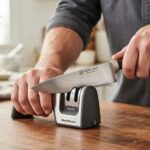
- Knives: A sharp chef’s knife and a paring knife can handle 90% of cutting tasks. Dull knives slow you down and increase the risk of injury.
- Cutting Boards: Use at least two—one for produce and one for meat—to avoid cross-contamination and streamline prep.
- Mixing Bowls: Nesting bowls save space and allow you to prep multiple ingredients simultaneously.
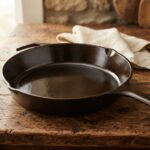
- Cookware: A heavy-bottomed skillet, a saucepan, and a baking sheet cover most recipes. Non-stick surfaces make cleanup faster.
- Small Appliances: A food processor, immersion blender, and instant-read thermometer are worth their weight in time saved.
Additionally, consider tools that serve multiple purposes. For example, a mandoline slicer can replace a knife for even, quick cuts, while a microplane grater handles cheese, citrus zest, and garlic with ease.
Step 3: Optimize Your Ingredient Storage for Speed
Ever wasted time digging through a cluttered pantry for a single spice? A disorganized pantry adds unnecessary minutes to every meal. To create an efficient kitchen setup, follow these storage principles:
- First In, First Out (FIFO): Place newer items behind older ones to ensure nothing expires unused. This is especially important for perishables like canned goods and grains.
- Clear Containers: Transfer dry goods like pasta, rice, and flour to clear, airtight containers. Label them for quick identification.
- Group by Use: Store ingredients you use together in the same area. For example, keep baking supplies (flour, sugar, baking powder) in one bin and Italian ingredients (pasta, tomatoes, olive oil) in another.
- Fridge Organization: Use bins to group similar items, like dairy, produce, and leftovers. Place frequently used condiments on the door for easy access.
Pro tip: Keep a small basket in your fridge for meal-prep ingredients. Fill it with everything you’ll need for the week’s recipes to avoid rummaging through shelves.

Step 4: Master the Art of Mise en Place
“Mise en place” is a French term meaning “everything in its place.” It’s a cornerstone of professional kitchens and a fast cooking kitchen tip that home cooks can easily adopt. The concept is simple: prepare and organize all your ingredients and tools before you start cooking.
Here’s how to apply mise en place at home:
- Read the Recipe: Before you start, read the entire recipe and gather all ingredients and tools.
- Prep Ingredients: Chop vegetables, measure spices, and portion proteins before turning on the stove. Use small bowls or ramekins to hold prepped ingredients.
- Arrange Tools: Place the tools you’ll need in the order you’ll use them. For example, if you’re sautéing onions, then adding garlic, have your knife, cutting board, and spatula ready.
- Clean as You Go: Fill a sink or basin with soapy water and wash dishes or wipe counters while food cooks. This keeps your workspace clear and reduces post-meal cleanup.
A 2024 study by the Culinary Institute of America found that home cooks who practice mise en place reduce their cooking time by up to 35%. The method eliminates pauses to chop, measure, or search for tools, allowing you to focus on cooking.
Step 5: Streamline Your Cleaning Process
A fast cooking kitchen isn’t just about prep—it’s also about cleanup. The quicker you can reset your kitchen, the more enjoyable cooking becomes. Here’s how to make cleanup effortless:
- One-Bowl Meals: Choose recipes that use a single pot, pan, or sheet tray. Examples include stir-fries, sheet-pan dinners, and one-pot pastas.
- Line Your Pans: Use parchment paper or silicone mats for baking to eliminate scrubbing.
- Soak While You Eat: Fill pots and pans with warm, soapy water immediately after use. Food residue will loosen, making washing easier.
- Designate a Trash Bowl: Place a bowl on the counter to collect scraps while prepping. This keeps your workspace clean and reduces trips to the trash can.
Pro tip: Keep a spray bottle of vinegar and water under the sink for quick counter wipe-downs. Vinegar disinfects and deodorizes without harsh chemicals.
Real-Life Example: A Kitchen Transformation
Sarah, a working mom of two, struggled to get dinner on the table before 8 PM. Her small kitchen was cluttered, and she wasted time searching for tools. After reorganizing her kitchen using the zones method and adopting mise en place, she cut her cooking time by 40 minutes.
“Now, I prep ingredients while my kids do homework at the table,” Sarah says. “Everything is within reach, and I don’t have to stop to find things. It’s changed how I feel about cooking.”
Sarah’s story proves that an efficient kitchen setup isn’t about having a large space—it’s about using what you have wisely.
Related Topics:
7 FAQs About Setting Up a Fast Cooking Kitchen
1. How do I start organizing my kitchen for efficiency?
Begin by decluttering. Remove items you rarely use, then group tools and ingredients by function. Assign zones based on how you cook.
2. What are the most essential tools for a fast kitchen?
A sharp chef’s knife, cutting boards, mixing bowls, a heavy skillet, and a food processor will cover most tasks efficiently.
3. How can I make a small kitchen more efficient?
Use vertical space with shelves or pegboards. Opt for multi-functional tools and keep only daily-use items on the counter.
4. Is mise en place really worth the extra prep time?
Yes! Spending 10 minutes prepping ingredients upfront can save 20 minutes during cooking. It also reduces stress and mistakes.
5. How do I keep my kitchen organized long-term?
Assign a home for every item and return tools to their place immediately after use. Do a quick weekly declutter to maintain order.
6. What’s the best way to store spices for quick access?
Use a tiered spice rack or wall-mounted magnetic strips. Store spices alphabetically or by cuisine for easy identification.
7. Can an efficient kitchen setup save me money?
Absolutely. Less food waste, fewer duplicate purchases, and reduced takeout orders add up to significant savings over time.
Conclusion: Cook Faster, Stress Less, and Enjoy More
An efficient kitchen setup transforms cooking from a chore into a joy. By organizing your space into zones, investing in the right tools, and adopting professional techniques like mise en place, you’ll shave minutes—or even hours—off your weekly meal prep. The result? More time to enjoy your meals, your family, and your life.
Remember, you don’t need a gourmet kitchen to cook like a pro. Small changes, like rearranging your pantry or sharpening your knives, can make a world of difference. Start with one tip from this guide and build from there. Your future self will thank you every time you step into your faster, smarter kitchen.
Ready to revolutionize your kitchen? Pick one area to optimize this week—whether it’s your prep zone or pantry—and share your progress in the comments. What’s the biggest time-waster in your kitchen right now? Let’s tackle it together!
Featured Image Source