Imagine this: You’re halfway through preparing a family dinner. The onions need dicing, the sauce requires whisking, and the chicken must be pounded. But your knife slips, your whisk tangles, and your mallet cracks under pressure. Frustration sets in. Sound familiar?
The difference between a chaotic cooking session and a seamless culinary experience often boils down to one thing: essential kitchen tools. According to a 2023 survey by the National Kitchen and Bath Association, 78% of home cooks reported that using the right tools reduced their cooking time by at least 30%. Yet, with countless gadgets flooding the market, selecting the best ones can feel overwhelming.
This guide cuts through the noise. Whether you’re a beginner or a seasoned home chef, you’ll discover how to choose kitchen essentials that elevate your cooking—without cluttering your drawers. We’ll explore must-have tools, expert tips, and real-world reviews to help you build a functional, efficient kitchen. Let’s dive in.
1. The Foundation: Knives That Last a Lifetime
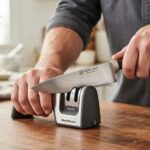
No kitchen is complete without a reliable set of knives. A sharp, well-balanced knife doesn’t just make prep work easier—it makes it safer. Dull knives require more force, increasing the risk of slips and cuts.
What to Look For:
- Chef’s Knife (8-10 inches): The workhorse of the kitchen. Opt for high-carbon stainless steel for durability and edge retention. Brands like Wüsthof and Shun consistently rank highest in professional reviews for their balance and sharpness.
- Paring Knife (3-4 inches): Ideal for peeling, trimming, and intricate tasks. A comfortable grip is key here.
- Serrated Knife: Essential for slicing bread, tomatoes, and delicate pastries without crushing them.
Pro Tip: Invest in a honing steel to maintain sharpness between professional sharpenings. Studies show that regular honing extends a knife’s lifespan by up to 50%.
Avoid: Cheap knife sets with hollow handles—they lack balance and often dull quickly.
2. Cutting Boards: Protect Your Knives and Your Countertops
A quality cutting board preserves your knives and prevents cross-contamination. Wood and bamboo boards are gentler on blades, while plastic boards are dishwasher-safe and budget-friendly.
Best Picks:
- Teak or Maple Wood: Naturally antimicrobial and durable. John Boos boards are a favorite among chefs for their thickness and stability.
- Epicurean Series: Made from recycled paper and resin, these boards are knife-friendly and eco-conscious.
Expert Insight: Use separate boards for raw meat and produce to minimize bacterial spread. The USDA recommends color-coding boards for safety.
3. Cookware Essentials: Pots and Pans That Perform
Not all cookware is created equal. The right pieces distribute heat evenly, prevent sticking, and last for decades.
Must-Have Pieces:
- Stainless Steel Skillet (10-12 inches): Versatile for searing, sautéing, and degreasing. All-Clad’s tri-ply construction is a gold standard for even heating.
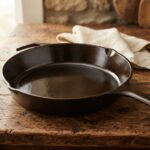
- Dutch Oven: Perfect for braising, soups, and bread baking. Le Creuset’s enameled cast iron retains heat beautifully.
- Non-Stick Frying Pan: Ideal for eggs and delicate fish. Look for PFOA-free coatings like those in GreenPan’s ceramic line.
Pro Tip: Avoid overheating non-stick pans—high heat degrades the coating over time.

4. Utensils That Simplify Every Task
From stirring to flipping, the right utensils make cooking effortless.
Top Picks:
- Silicone Spatulas: Heat-resistant and flexible. OXO’s Good Grips spatulas are ergonomic and dishwasher-safe.
- Tongs with Locking Mechanism: Essential for grilling and turning food. Choose stainless steel for durability.
- Ladle and Slotted Spoon: Opt for stainless steel with comfortable handles for serving soups and draining pasta.
Why It Matters: Poor-quality utensils melt, warp, or scratch cookware. Investing in sturdy tools saves money long-term.
5. Measuring Tools: Precision for Perfect Results
Baking and cooking require accuracy. A mismeasured ingredient can ruin a dish.
Essentials:
- Measuring Cups and Spoons: Stainless steel or plastic with clear markings. Avoid glass—it’s prone to breaking.
- Kitchen Scale: Digital scales like the OXO Good Grips provide gram measurements for baking precision.
Fun Fact: The average home cook overestimates a “cup” of flour by 20%. A scale eliminates guesswork.
6. Small Appliances That Earn Their Counter Space
Not all gadgets are gimmicks. Some small appliances save time and expand your cooking capabilities.
Worth the Investment:
- Immersion Blender: Purees soups and sauces directly in the pot. The Breville Control Grip is a top performer.
- Food Processor: Chops, slices, and shreds in seconds. Cuisinart’s 14-cup model is a workhorse for large batches.
- Instant Pot: Combines a pressure cooker, slow cooker, and rice cooker. Ideal for busy households.
Pro Tip: Store rarely used appliances (like waffle makers) to free up space.
7. Organization: Keep Your Tools Accessible
A cluttered kitchen slows you down. Smart storage solutions keep essentials within reach.
Solutions:
- Magnetic Knife Strips: Free up drawer space and protect knife edges.
- Utensil Crocks: Keep spatulas and ladles organized on the countertop.
- Stackable Containers: Use clear containers for dry goods to track inventory easily.
Expert Insight: Group tools by function (e.g., baking tools together) to streamline workflow.
8. Reviews: What Real Home Cooks Love
We scoured reviews from Amazon, Wirecutter, and Reddit to find the most-loved tools:
- Global G-2 Chef’s Knife: Praised for its razor-sharp edge and lightweight design.
- Victorio VEG-001 Mandoline Slicer: A budget-friendly favorite for uniform slices.
- Pyrex Glass Mixing Bowls: Oven-safe and nestable for easy storage.
Common Complaint: Cheap can openers rust quickly. The Kuhn Rikon Auto Safety Can Opener is a rust-proof upgrade.
9. FAQs: Your Kitchen Tool Questions Answered
1. How many knives do I really need?
Start with three: a chef’s knife, paring knife, and serrated knife. Expand as needed.
2. Is non-stick cookware safe?
Yes, if it’s PFOA-free. Avoid high heat to prevent coating degradation.
3. What’s the best material for cutting boards?
Wood for knives, plastic for dishwasher convenience.
4. Do I need a stand mixer?
Only if you bake frequently. Otherwise, a hand mixer suffices.
5. How often should I replace my kitchen tools?
Knives: Every 5-10 years. Non-stick pans: Every 2-3 years. Utensils: Replace when warped or cracked.
6. Are expensive tools worth it?
Yes, for items used daily (like knives). Save on specialty gadgets.
7. How do I maintain my tools?
Hand wash knives, avoid abrasive cleaners, and store tools dry.
Conclusion: Build Your Kitchen with Confidence
Selecting the right essential kitchen tools isn’t about filling drawers—it’s about curating a collection that empowers you. Start with the basics, invest in quality, and let your tools grow with your skills.
Your Next Step: Audit your kitchen. Toss broken gadgets, upgrade one essential tool this month, and notice the difference.
What’s the first tool you’ll upgrade? Share your picks in the comments—let’s build better kitchens together!