Walking into my kitchen, the sizzle of butter in my favorite non-stick pan always feels like a warm hug. But last week, as I flipped pancakes, I noticed a stubborn residue clinging to the nonstick surface. It got me wondering: does butter or margarine harm non-stick pans? Many home cooks share this concern, especially with keywords like nonstick coating, cooking fats, and product misuse floating around. This blog post dives into the science and stories behind using butter and margarine in nonstick cookware, exploring whether these staples threaten your pans. We’ll educate, demonstrate, and fascinate you with practical tips and insights to keep your cookware pristine while cooking delicious meals.
Understanding Non-Stick Coatings and Cooking Fats
Non-stick pans, often coated with PTFE coatings, revolutionized cooking by reducing the need for heavy vegetable oils. These coatings, found in many nonstick cookware sets on Amazon, create a slick surface that prevents food from sticking. However, using butter or margarine raises questions about potential damage. Butter, a natural cooking fat, contains milk solids that burn at lower temperatures, potentially leaving residue. Margarine, often made from hydrogenated vegetable fats, behaves similarly but may include additives that affect nonstick surfaces. According to a 2020 study by Cook’s Illustrated, high-fat content in butter can create a sticky buildup if overheated, impacting the pan’s performance (source: https://www.cooksillustrated.com/articles/2459-how-to-care-for-nonstick-cookware).
My first non-stick pan taught me this lesson the hard way. After browning butter at high heat, I noticed a tacky film that scrubbing couldn’t remove. This residue, often called food residue, can degrade the nonstick coating over time. To avoid this, understanding the smoke point of butter (around 350°F) versus margarine (often higher, up to 410°F) is key. Cooking below these temperatures helps preserve your pan’s nonstick surface.
The Science Behind Butter, Margarine, and Smoke Points
Butter and margarine differ in their smoke points, which directly affect nonstick pans. Butter’s milk solids burn at lower temperatures, creating a buildup of residue that sticks to the nonstick coating. Margarine, with its vegetable oil base, often withstands higher frying temperatures but can still leave a film if overheated. The Maillard reaction, responsible for browning food, occurs at high heat and can contribute to sticky residue if butter or margarine exceeds its smoke point. A 2019 article by Serious Eats notes that overheating fats like butter can degrade PTFE coatings, reducing their lifespan (source: https://www.seriouseats.com/cooking-fats-101).
When I tried searing steak in butter on my non-stick pan, the high heat caused smoking and a stubborn residue. Switching to a lower heat and using a manual oil spray with extra virgin olive oil helped. By keeping temperatures below the smoke point, you minimize damage and maintain the nonstick surface. Therefore, choosing the right fat and heat setting is crucial for your pan’s longevity.
Common Mistakes That Harm Non-Stick Pans
Using butter or margarine incorrectly can lead to product misuse, damaging your nonstick cookware. Here are common mistakes to avoid:
- Overheating the Pan: Cooking at high heat with butter exceeds its smoke point, causing residue buildup.
- Using Metal Utensils: Scraping with a metal spoon can scratch the nonstick coating, worsening with sticky fats.
- Harsh Cleaning Methods: Scrubbing with steel wool or abrasive pads damages the nonstick surface.
- Ignoring Residue: Not cleaning food residue immediately allows it to harden, affecting performance.
I once used a metal spatula to scrape burnt butter off my pan, only to notice tiny scratches. Switching to a silicone spatula and cleaning with a soft sponge and dish soap saved my next pan. Avoiding these mistakes ensures your nonstick cookware stays functional and safe for cooking.
Tips for Safely Using Butter or Margarine in Non-Stick Pans
Protecting your nonstick pans while using butter or margarine is simple with the right techniques. Here are practical tips:
- Use Low to Medium Heat: Keep temperatures below the smoke point of butter (350°F) or margarine (410°F).
- Opt for Clarified Butter: Remove milk solids to increase butter’s smoke point, reducing residue.
- Use a Manual Oil Spray: A mister bottle with olive oil or vegetable oil ensures even coating without excess fat.
- Clean Immediately: Wash with dish soap and a soft sponge to prevent residue buildup.
- Choose Silicone or Wooden Utensils: Silicone spoons or wooden spoons prevent scratches on the nonstick surface.
My go-to trick is using a manual oil spray with extra virgin olive oil for light coatings, paired with a silicone spatula. This keeps my pans pristine while enjoying buttery flavors. Additionally, checking if your pan is dishwasher safe can simplify cleaning, though hand-washing is gentler.
Comparing Butter and Margarine: Which Is Safer for Non-Stick Pans?
Butter and margarine each have pros and cons for nonstick cookware. Butter, rich in saturated fatty acids, adds unmatched flavor but burns easily, risking residue. Margarine, often a mix of hydrogenated vegetable fats, offers a higher smoke point, making it slightly safer for higher frying temperatures. However, margarine’s additives can sometimes leave a stickier film. Both can be used safely if you avoid high heat and clean promptly.
I experimented with both on my cast iron pans and nonstick skillets. Butter gave a richer taste but required careful heat control. Margarine was more forgiving but left an odd aftertaste. For nonstick pans, clarified butter or a light coating of vegetable oil via an oil mister often works best. Ultimately, your choice depends on flavor preference and cooking habits, but moderation and proper care are key.
Health and Safety Considerations of Non-Stick Pans
Non-stick pans, especially those with PTFE coatings, are safe when used correctly but raise concerns if damaged. Overheating butter or margarine past their smoke points can release harmful toxins, though modern nonstick coatings are designed to withstand typical cooking temperatures. The Mediterranean diet, which favors extra virgin olive oil, may reduce reliance on heavy fats, potentially lowering cholesterol levels and vascular blockages. Always follow the product warranty guidelines to ensure safe use.
I once worried about toxins from a scratched pan, so I switched to stainless steel cookware for high-heat cooking and reserved my nonstick pans for low-heat tasks. Using wooden utensils and avoiding steel wool kept my pans safe. Checking for certifications like “oven-safe stainless steel pans” or “anodized aluminum” can also guide safer purchases. Prioritizing health-conscious cooking habits ensures both your pans and meals remain safe.
Cleaning and Maintaining Non-Stick Pans for Longevity
Proper cleaning extends the life of your nonstick cookware. After cooking with butter or margarine, rinse the pan with warm water and dish soap using a soft sponge. For stubborn residue, a paste of baking soda and water works wonders without scratching. Avoid dishwasher cycles unless the pan is labeled dishwasher safe, as harsh detergents can degrade the nonstick coating.
My favorite pan nearly met its demise after I left butter residue overnight. A quick soak with dish soap and a gentle scrub with a silicone spatula restored it. Regular maintenance, like checking for residue buildup and using gentle tools, keeps your pans functional. For tough spots, a video or photo tutorial from Real Simple’s website can guide you (source: https://www.realsimple.com/home-organizing/cleaning/how-to-clean-nonstick-pans).
Exploring Alternatives: Cast Iron, Stainless Steel, and Carbon Steel
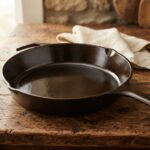
If butter or margarine damages your nonstick pans, consider alternatives like cast iron, stainless steel, or carbon steel pans. Cast iron pans, perfect for Dutch ovens, handle high heat well and develop a natural nonstick surface with seasoning. Stainless steel cookware, like clad/stainless steel pans, resists scratches and is ideal for browning with butter. Carbon steel pans offer similar benefits but are lighter.
I switched to a cast iron pan for searing with butter, and the results were phenomenal—no residue, just flavor. Stainless steel pans worked great for high-heat tasks, while my nonstick pans stayed reserved for delicate dishes. Each material has its strengths, so choosing based on your cooking style (e.g., high heat for steaks or low heat for eggs) ensures durability and versatility.
Fascinating Facts About Non-Stick Cookware and Cooking Fats
Did you know nonstick cooking sprays, like aerosol cooking sprays, were invented to reduce fat use but can leave residue if overused? Surprisingly, the nonstick coating on modern pans can withstand up to 500°F, but butter’s low smoke point makes it trickier to manage. Using a mister bottle with coconut oil or peanut oil can mimic sprays without additives, offering a healthier option.
I was amazed when I learned that the Maillard reaction, which gives food its golden crust, can harm nonstick surfaces if fats burn. Experimenting with an oil mister and wooden spoons made cooking both fun and safe. These tidbits, paired with smart practices, make nonstick cookware a joy to use without fear of damage.
Protecting Your Non-Stick Pans
Butter and margarine can enhance your cooking, but they don’t have to damage your nonstick pans. By keeping heat low, using silicone or wooden utensils, and cleaning promptly with dish soap, you can preserve your nonstick coating. Alternatives like cast iron or stainless steel offer durability for high-heat cooking, while a manual oil spray with olive oil adds versatility. My journey with nonstick cookware taught me that mindful habits make all the difference. Share your tips or experiences in the comments below, or spread this article to help others protect their pans!
FAQs
Does Butter Damage Non-Stick Pans More Than Margarine?
Butter can damage nonstick pans more due to its lower smoke point (350°F) compared to margarine (410°F). Both require low heat to prevent residue.
Can I Use Metal Utensils with Non-Stick Pans?
No, metal utensils like metal spoons can scratch the nonstick coating. Use silicone spatulas or wooden spoons to protect the surface.
How Do I Clean Butter Residue from Non-Stick Pans?
Wash with warm water, dish soap, and a soft sponge. For stubborn residue, use a baking soda paste and avoid steel wool.
Are Non-Stick Cooking Sprays Safe for Pans?
Nonstick cooking sprays can leave residue if overused. A manual oil spray with vegetable oil or olive oil is a safer alternative.
What’s the Best Alternative to Non-Stick Pans for Butter?
Cast iron or stainless steel pans handle butter’s high heat better, preventing damage and offering durability for browning tasks.