Keeping frozen food safe has become a priority for many households in Chicago, IL. According to the U.S. Department of Agriculture, a full freezer can keep food frozen for about 48 hours during a power outage if left unopened. Meanwhile, food waste remains a major concern across American homes each year. Because of this, families take preventive steps before cooling issues appear. Many homeowners also learn about a freezer compressor overload problem early so they can avoid costly food loss and emergency repairs.
Chicago experiences hot summers, freezing winters, and frequent weather changes throughout the year. These conditions can place extra stress on household appliances, including freezers. Therefore, local families often focus on maintenance instead of waiting for breakdowns. A proactive approach helps preserve food quality and reduces unexpected expenses.
Why Sudden Freezer Cooling Failure Happens
Most freezer failures do not occur without warning. Small performance issues often develop weeks or months before cooling completely stops. However, many homeowners miss the early signs because the appliance still appears functional. Understanding common causes helps families take action sooner.
Dirty condenser coils remain one of the leading reasons for cooling problems. Dust and pet hair reduce airflow around critical components. As a result, the compressor works harder and consumes more energy. Over time, excessive strain increases the risk of failure.
Another common cause involves worn electrical components. Faulty relays, damaged wiring, or aging capacitors can interrupt normal operation. Consequently, the freezer may cycle improperly or stop cooling altogether. Regular inspections help identify these issues before they become severe.
How Chicago Weather Affects Freezer Performance
Chicago’s climate creates unique challenges for appliance owners. Summer temperatures can rise significantly, especially during heat waves. Therefore, freezers located in garages or poorly ventilated areas often struggle to maintain consistent temperatures. Higher ambient heat forces cooling systems to work harder.
Winter conditions can create different problems. Extremely cold garages sometimes interfere with freezer thermostat performance. As a result, some units may not operate as efficiently as expected. Families who understand seasonal effects can make smarter placement decisions.
Humidity fluctuations also play a role throughout the year. Excess moisture may contribute to frost buildup and door seal deterioration. Furthermore, condensation can affect electrical components if left unchecked. Consistent monitoring helps reduce weather-related stress on the appliance.
Routine Maintenance That Prevents Cooling Failure
Clean Condenser Coils Regularly
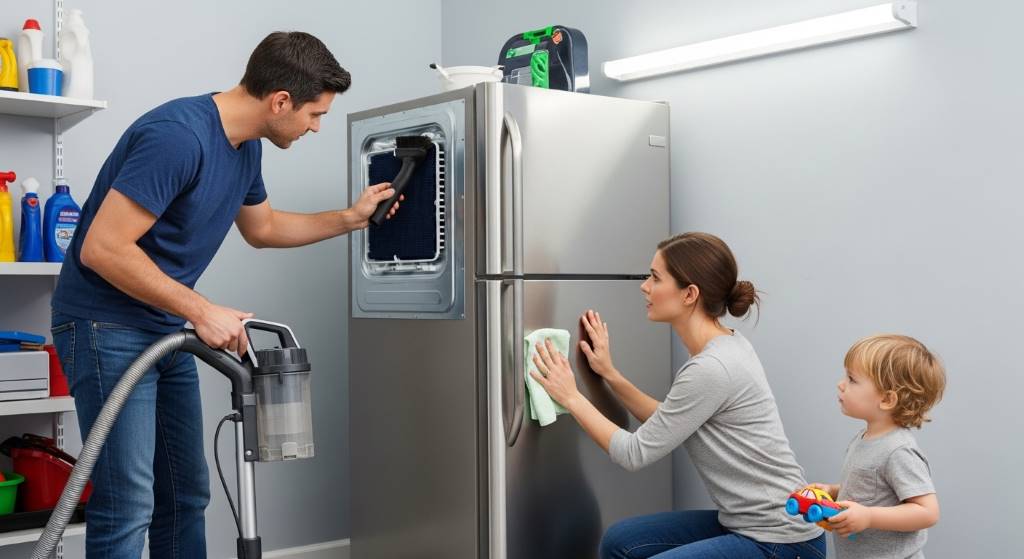
Many families schedule coil cleaning every few months. Dust accumulation restricts airflow and lowers efficiency. Therefore, a simple cleaning routine can extend appliance life significantly. Vacuum attachments and soft brushes usually work well for this task.
Homeowners who understand the world of refrigerator compressor parts often recognize how airflow directly affects system performance. Better airflow reduces unnecessary compressor strain. Consequently, the freezer operates more efficiently and maintains stable temperatures. This preventive step costs very little but delivers long-term benefits.
Inspect Door Gaskets
Door seals play a major role in temperature control. Damaged gaskets allow warm air to enter the freezer. As a result, the appliance works harder to maintain safe conditions. Families should inspect seals regularly for cracks or gaps.
A simple paper test helps identify weak sealing areas. Place a sheet of paper between the gasket and door, then close it. If the paper slides out easily, the seal may require attention. Early replacement prevents unnecessary cooling loss.
Monitor Internal Temperature
Many homeowners rely solely on built-in freezer controls. However, an independent thermometer provides more accurate readings. Consistent monitoring helps detect problems before food safety becomes a concern. Ideally, freezer temperatures should remain at or below 0°F.
Smart Storage Habits That Support Efficient Cooling
How food is stored affects freezer performance more than many people realize. Overloading shelves can block air circulation throughout the compartment. Consequently, some areas may remain colder than others. Balanced organization helps maintain uniform temperatures.
At the same time, a nearly empty freezer can lose cold air quickly when opened. Therefore, families often keep frozen water containers inside to stabilize temperatures. These items help maintain cooling during brief power interruptions. They also improve overall efficiency.
Many homeowners who set up a kitchen with efficient organization principles find it easier to manage freezer contents. Organized storage reduces the amount of time the door stays open. Consequently, less cold air escapes during daily use. Small habits often produce meaningful energy savings.
An Overlooked Strategy: Tracking Freezer Door Traffic
One uncommon but highly effective method involves monitoring how frequently family members open the freezer. Most appliance guides focus on maintenance tasks alone. However, excessive door openings can gradually impact cooling efficiency. Tracking usage patterns often reveals hidden opportunities for improvement.
Large households may open the freezer dozens of times each day. Therefore, some families create designated storage zones for frequently used items. This approach reduces search time and limits cold air loss. Over several months, the freezer experiences less operational stress.
Parents often teach children where specific frozen foods belong. As a result, family members find items faster and close the door sooner. This practical strategy rarely appears in standard maintenance guides. Yet it can contribute significantly to long-term reliability.
The Importance of Proper Freezer Placement
Location plays a major role in appliance longevity. Freezers placed near ovens, heating vents, or direct sunlight face greater thermal stress. Consequently, cooling systems work harder than necessary. Selecting a cooler location improves overall performance.
Ventilation space around the appliance also matters. Manufacturers generally recommend leaving adequate clearance on all sides. Proper airflow allows heat to dissipate efficiently. Therefore, the compressor operates under less strain.
Families planning home improvements sometimes use opportunities to renovate a small kitchen while optimizing appliance placement. Better layouts often improve airflow and accessibility. As a result, both efficiency and convenience increase. Strategic planning can prevent future cooling challenges.
Preparing for Power Outages in Chicago
Severe weather occasionally causes power interruptions throughout the region. Therefore, preparation remains an important part of freezer protection. Families who plan ahead can reduce food spoilage and appliance stress. Simple measures often make a significant difference.
Keeping the freezer full helps retain cold temperatures longer during outages. Frozen containers of water provide additional thermal stability. Furthermore, limiting door openings preserves internal temperatures. These practices extend food safety during emergencies.
Some homeowners also invest in backup power solutions. Portable generators or battery systems provide temporary support when needed. Consequently, valuable frozen food remains protected during extended outages. Preparedness reduces both financial loss and frustration.
Warning Signs Families Should Never Ignore
Several symptoms often appear before complete cooling failure occurs. Unusual noises, longer running cycles, and excessive frost deserve attention. Therefore, homeowners should investigate changes promptly. Early action usually prevents larger repairs.
Water leaks around the appliance also signal potential trouble. Blocked drain lines or seal issues may contribute to moisture problems. In addition, rising electricity bills sometimes indicate declining efficiency. Monitoring utility costs can reveal hidden appliance concerns.
Food texture changes provide another important warning sign. Soft ice cream or partially thawed frozen items often indicate temperature instability. As a result, families should verify freezer temperatures immediately. Quick responses can prevent food waste.
When Professional Service Makes Sense
Some maintenance tasks remain suitable for homeowners. However, electrical diagnostics and sealed system repairs require specialized expertise. Attempting complex repairs without proper knowledge can worsen the situation. Therefore, professional evaluation often provides the safest solution.
Qualified technicians can identify hidden issues before complete failure occurs. They use specialized tools to test compressors, relays, and refrigerant systems. Consequently, homeowners receive accurate diagnoses and targeted repairs. Professional service often extends appliance lifespan significantly.
Scheduling annual inspections offers additional peace of mind. Preventive service helps uncover developing problems early. Furthermore, regular maintenance records can support warranty claims when applicable. Consistent care reduces the likelihood of unexpected breakdowns.
Conclusion
Families in Chicago, IL prevent sudden freezer cooling failure by combining routine maintenance, smart storage habits, weather awareness, and early problem detection. Cleaning coils, checking door seals, monitoring temperatures, and preparing for power outages all contribute to dependable performance. Additionally, tracking freezer door traffic provides a unique and practical way to reduce unnecessary strain on the appliance. By taking preventive action today, homeowners can protect their food, avoid expensive repairs, and keep their freezers running efficiently year-round. If you notice warning signs, schedule a professional inspection before a minor issue becomes a major failure.
FAQs
How often should I clean freezer condenser coils?
Most households should clean condenser coils every three to six months.
What temperature should a freezer maintain?
A freezer should stay at or below 0°F for safe food storage.
Can Chicago weather affect freezer performance?
Yes, extreme heat, cold, and humidity can impact freezer efficiency.
Why is my freezer running constantly?
Dirty coils, poor airflow, or damaged door seals often cause continuous operation.
When should I call a professional technician?
You should seek professional service if cooling problems persist after basic maintenance.