Kitchen appliances are the heart of every home, transforming daily chores into seamless tasks. However, neglecting their upkeep can lead to costly repairs or replacements. Regular maintenance extends their lifespan, saves money, and ensures optimal performance. According to a 2023 Consumer Reports survey, well-maintained appliances last up to 30% longer than neglected ones. This article shares practical, expert-backed strategies to maintain kitchen appliances for long-lasting use. From refrigerators to dishwashers, these tips will keep your kitchen running smoothly.
Clean Your Refrigerator Regularly for Efficiency
Refrigerators work tirelessly to keep food fresh, but dirt and neglect can strain their systems. Clean the interior monthly with warm water and mild detergent. Remove shelves and drawers to wipe away spills and prevent mold. Additionally, vacuum the condenser coils every six months to remove dust. Dirty coils force the fridge to work harder, increasing energy use by up to 20%, per the U.S. Department of Energy. Check door gaskets for sticky residue to ensure a tight seal. A loose seal causes cold air leaks, raising energy bills. Regular cleaning prevents breakdowns and extends your fridge’s life.
Maintain Your Dishwasher to Prevent Clogs
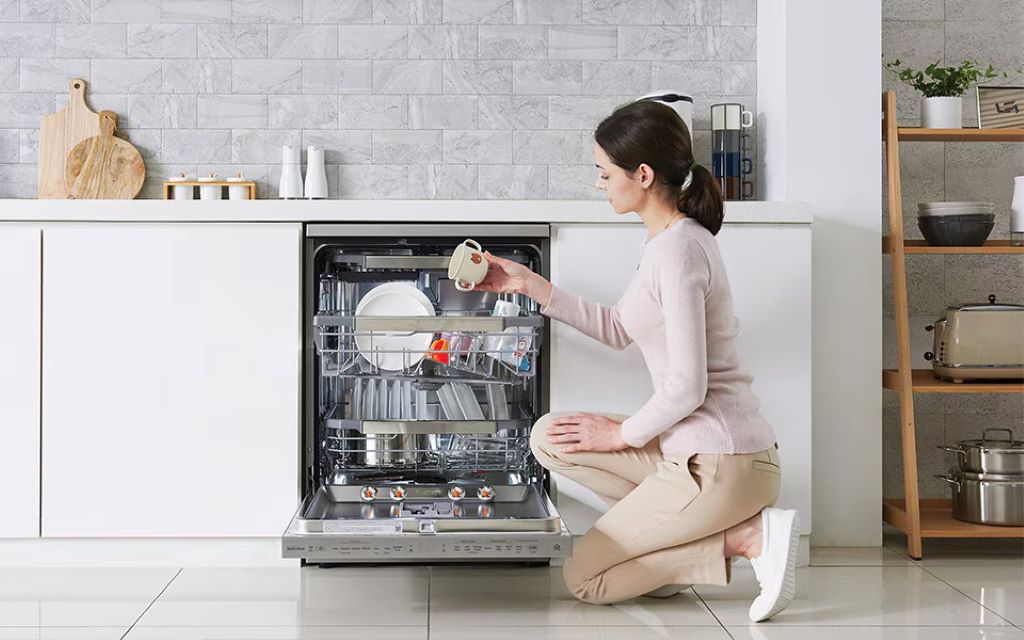
Dishwashers save time, but food debris and grease can clog their systems. Scrape dishes before loading to reduce strain on the pump. Clean the filter monthly to ensure proper drainage. A clogged filter reduces cleaning efficiency, leaving dishes dirty. Use a water and bleach solution to wipe door gaskets and prevent leaks. Furthermore, run an empty cycle with a cup of vinegar every three months to descale mineral buildup. According to Family Handyman, 40% of dishwasher repairs stem from clogged filters or spray arms. Proper maintenance keeps your dishwasher performing like new.
Keep Your Oven and Stovetop Spotless
Ovens and stovetops endure spills, grease, and high heat, which can degrade performance. Wipe down surfaces after each use to prevent corrosion. For smooth-top ranges, use specialized cleaners like Cerama Bryte to avoid scratches. Clean the oven interior every three months with a non-toxic cleaner to remove baked-on grease. Additionally, recalibrate the oven temperature yearly using a thermometer to ensure accurate cooking. A 2019 study by Bonnycastle Appliance found that regular oven cleaning reduces repair costs by 25%. Consistent care prevents uneven heating and prolongs appliance life.
Care for Your Microwave to Avoid Breakdowns
Microwaves are prone to splatters that block vents and reduce efficiency. Heat a bowl of equal parts water and vinegar for three minutes to loosen grime. Wipe the interior with a damp cloth afterward. Clean the turntable and door seals weekly to prevent uneven heating. Moreover, avoid running the microwave empty, as this damages the magnetron. A 2024 report by NewHomeSource notes that microwaves last 10 years on average with proper care. Regular cleaning and cautious use ensure your microwave remains reliable.
Protect Your Small Appliances with Routine Upkeep
Small appliances like coffee makers and blenders need attention too. Descale coffee makers monthly with a vinegar solution to remove mineral deposits. Clean blender blades after each use to prevent dulling. Additionally, store small appliances in dry, dust-free areas to avoid motor damage. A 2022 Consumer Reports study found that 60% of small appliance failures result from neglect. Simple maintenance habits keep these gadgets functional for years.
Schedule Professional Inspections Annually
While DIY maintenance is crucial, professional checkups catch issues early. Schedule annual inspections for major appliances like refrigerators and ovens. Technicians can spot worn parts or inefficiencies you might miss. For instance, a professional can recalibrate gas ranges to prevent uneven heating. According to a 2024 Bonnycastle Appliance guide, annual tune-ups reduce breakdown risks by 35%. Investing in expert care saves money on major repairs long-term.
Follow manufacturer’s Guidelines for Optimal Use
Every appliance comes with a manual, yet many ignore it. These guides offer specific maintenance tips tailored to your model. For example, overloading a washing machine can strain motors, per Family Handyman’s 2023 guide. Follow load limits and use recommended detergents to avoid damage. Additionally, check warranty terms for maintenance requirements to avoid voiding coverage. Adhering to guidelines ensures appliances operate at peak performance.
Upgrade to Energy-Efficient Models When Necessary
Sometimes, maintaining old appliances isn’t cost-effective. If your appliance requires frequent repairs, consider upgrading to an energy-efficient model. Newer models use up to 50% less energy, per the U.S. Environmental Protection Agency. For example, modern refrigerators with inverter compressors last longer and save on bills. Evaluate repair costs versus replacement to make an informed decision. Upgrading can be a smart long-term investment.
Maintaining kitchen appliances for long-lasting use requires consistent effort but delivers significant rewards. Regular cleaning, professional inspections, and adherence to manuals keep your kitchen humming. These habits save money, reduce energy waste, and extend appliance lifespans. Start today with one tip, like cleaning your fridge coils, and watch your appliances thrive.
Featured Snippet: How Often Should You Clean Kitchen Appliances?
Clean major appliances like refrigerators and dishwashers monthly to prevent buildup and ensure efficiency. Vacuum fridge coils every six months. Wipe down ovens and stovetops after each use, with deep cleaning quarterly. Clean microwaves weekly to avoid splatters. Descale small appliances like coffee makers monthly. Regular maintenance prevents costly repairs and extends appliance life, per Consumer Reports.
Expert Tip: Always unplug appliances before cleaning to avoid electrical hazards. Use non-abrasive cleaners to protect surfaces.
FAQs About Maintaining Kitchen Appliances
- How often should I clean my refrigerator coils?
Vacuum coils every six months to remove dust and improve efficiency. - Can I use regular detergent to clean my dishwasher?
Use vinegar or specialized cleaners to avoid damaging internal components. - Why does my oven need recalibration?
Temperature inaccuracies affect cooking; recalibrating ensures consistent results. - How do I prevent microwave splatters?
Cover food with a microwave-safe lid and clean weekly to maintain performance. - What’s the best way to descale a coffee maker?
Run a vinegar-water solution monthly to remove mineral buildup effectively. - Should I hire a professional for appliance maintenance?
Annual inspections catch issues early, reducing repair costs significantly. - When should I replace an appliance?
Replace if repair costs exceed 50% of a new, energy-efficient model’s price.
Regular maintenance is key to ensuring kitchen appliances last for years. This includes cleaning appliances thoroughly after each use to prevent the buildup of grease and food particles, checking and replacing worn-out parts promptly, and following the manufacturer’s guidelines for proper use and care. Additionally, scheduling periodic deep cleaning and servicing can help identify potential issues early, preventing costly repairs. By treating appliances with care and attention, you extend their lifespan and maintain their efficiency and safety in your kitchen.