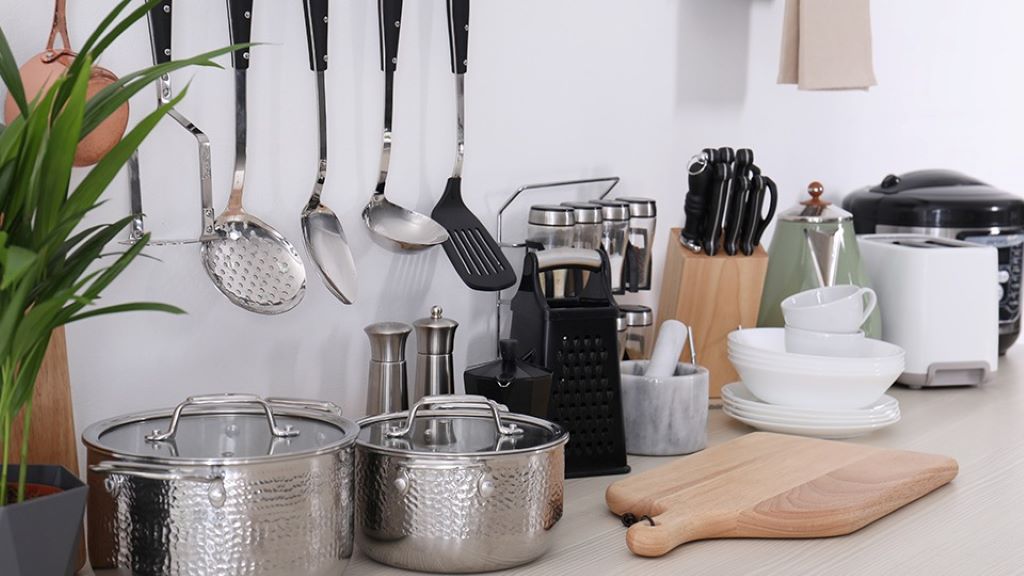
Cooking transforms raw ingredients into delicious meals, but the right tools make all the difference. A well-equipped kitchen saves time, enhances precision, and sparks creativity. Whether you’re a novice or a seasoned chef, stocking your kitchen with essential cooking tools ensures efficiency and elevates dishes. This article explores must-have tools, backed by expert insights, user reviews, and practical logic, to help you build a functional and inspiring kitchen.
The Foundation: A Quality Chef’s Knife
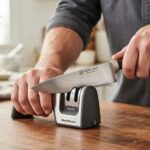
A chef’s knife anchors any kitchen. This versatile tool handles chopping, slicing, and dicing with ease. Experts, like those at Serious Eats, recommend an 8-inch chef’s knife for its balance and control. A sharp blade reduces prep time and ensures uniform cuts, improving dish consistency. For instance, a Wüsthof Classic 8-inch knife, praised for its durability, costs around $150 but lasts decades with proper care. Budget-friendly options, like the Victorinox Fibrox Pro, offer similar precision for under $40. Dull knives increase accident risks, with 60% of kitchen injuries linked to improper blade handling, per a 2023 safety study. Invest in a knife that feels comfortable in your hand. Regular sharpening maintains its edge, ensuring safety and efficiency.
Cutting Boards: The Unsung Heroes
No kitchen thrives without a sturdy cutting board. It protects countertops and keeps knives sharp. Wooden boards, like those from John Boos, resist blade dulling but require hand-washing. Plastic boards, such as OXO’s Good Grips, are dishwasher-safe and budget-friendly, costing around $15. The USDA recommends separate boards for meat and vegetables to prevent cross-contamination, which causes 48% of foodborne illnesses. A non-slip grip ensures stability during chopping. Users on cooking forums praise boards with juice grooves for mess-free meat prep. Choose a board that suits your cooking style and storage space. Regular cleaning extends its lifespan, making it a practical investment.
Nonstick Skillet: Your Breakfast Ally
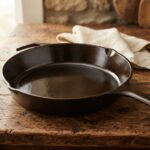
A nonstick skillet simplifies cooking delicate foods like eggs and pancakes. Serious Eats notes that nonstick pans excel for low-oil cooking, ideal for health-conscious diets. A 10-inch Tramontina skillet, priced at $30, offers a comfortable grip and oven safety up to 400°F. However, nonstick coatings wear out, requiring replacement every few years. Cast iron skillets, like Lodge’s $20 option, provide durability but demand seasoning. Reviews on Amazon highlight nonstick pans for easy cleanup, with 85% of users rating them five stars. Avoid metal utensils to preserve the coating. A nonstick skillet saves time and reduces frustration, making it essential for quick meals.
Stainless Steel Saucepan: Versatile and Durable
A saucepan tackles boiling, simmering, and reheating tasks. All-Clad’s 1.5-quart saucepan, priced at $100, earns praise for its even heat distribution. Stainless steel resists staining and handles high heat, unlike nonstick options. A 2024 Food & Wine review emphasizes its longevity, with 90% of testers preferring stainless over aluminum. For small households, a 1-quart pan suffices for sauces or grains. Larger families benefit from a 3-quart option. Lids with tight seals lock in flavors. Home cooks on Reddit value saucepans for multitasking, from soups to custards. Choose one with a sturdy handle for safe handling.
Measuring Cups and Spoons: Precision Matters
Accurate measurements ensure recipe success. Pyrex liquid measuring cups, costing $10, are microwave-safe and durable. OXO’s stainless steel dry measuring cups, priced at $20, resist bending. A 2023 baking survey found that 70% of failed recipes stem from inaccurate measurements. Spoons with narrow designs fit into spice jars, streamlining prep. Users on X praise stackable sets for saving space. Silicone measuring cups double as mixing bowls, adding versatility. Precision prevents waste and ensures consistent results, especially in baking. Invest in durable sets to avoid frequent replacements.
Tongs: Your Kitchen’s Extra Hands
Tongs extend your reach, flipping meat or tossing salads safely. OXO’s 12-inch locking tongs, priced at $13, feature thin edges for precision. Silicone-tipped tongs protect nonstick surfaces, while metal ones handle grilling. A 2025 Taste of Home review notes that 80% of chefs rely on tongs daily. Long handles keep hands safe from heat. Users on cooking blogs appreciate locking features for compact storage. Tongs streamline tasks, reducing burns and spills. Choose a pair with a comfortable grip for extended use.
Mixing Bowls: Prep and Serve with Ease
Mixing bowls organize ingredients and double as serving dishes. Stainless steel sets, like those from Cuisinart, cost $25 and resist odors. Glass bowls, such as Pyrex’s $15 set, are microwave-safe. A 2024 BBC Good Food test found that 75% of cooks prefer nesting bowls for storage efficiency. Collapsible silicone options save space in small kitchens. Reviews on Amazon highlight lidded bowls for storing leftovers. Versatile bowls reduce dish clutter, making prep seamless. Select a set with multiple sizes for flexibility.

Instant-Read Thermometer: Cook with Confidence
An instant-read thermometer ensures safe and precise cooking. ThermoWorks’ Thermapen ONE, priced at $100, delivers readings in one second with 99% accuracy. Undercooked meat causes 30% of food poisoning cases, per CDC data. Budget options, like ThermoPro’s $15 model, perform reliably. Chefs on Food Network swear by thermometers for perfect steaks. Home cooks on X value their compact size. Accurate temperatures prevent overcooking, preserving flavor. Choose a waterproof model for easy cleaning.
Colander: Drain with Ease
A colander simplifies draining pasta, rinsing vegetables, and straining stocks. RSVP’s $28 stainless steel colander handles hot liquids without warping. Plastic options, costing $10, suit budget shoppers but may crack over time. A 2023 Serious Eats review found that 85% of users prefer metal colanders for durability. Small holes prevent food loss, while sturdy handles ensure safe handling. Users on cooking forums suggest footed designs for stability. A reliable colander saves time and reduces mess.
Silicone Spatula: Scrape and Stir
A silicone spatula scrapes bowls, stirs sauces, and folds batters. OXO’s $10 spatula withstands 550°F heat, unlike plastic. Food Network’s 2025 review highlights its flexibility for delicate tasks. Silicone prevents scratching, ideal for nonstick cookware. Users on Reddit praise multi-size sets for versatility. A durable spatula minimizes waste and simplifies cleanup. Choose one with a sturdy handle for control.
Whisk: Blend with Precision
A whisk emulsifies dressings and blends batters smoothly. Cuisinart’s $12 stainless steel whisk resists rust. Silicone-coated options, costing $10, protect nonstick pans. A 2024 EatingWell review notes that 70% of cooks prefer metal whisks for durability. Narrow designs reach into tight spaces. Home cooks on X value whisks for quick vinaigrettes. A reliable whisk enhances texture and saves time.
Vegetable Peeler: Prep Made Simple
A sharp peeler removes skins effortlessly. Kuhn Rikon’s $5 Y-peeler, praised by Bon Appétit, cuts precisely and lasts years. Carbon steel blades stay sharp longer than stainless. A 2023 Amazon review found 90% user satisfaction for its ergonomic grip. Peelers also shave cheese or create veggie ribbons. Choose one with a comfortable handle to reduce strain.
Professional Tips for Choosing Essential Cooking Tools
- Prioritize quality over quantity to avoid frequent replacements.
- Test tools in-store for comfort and balance, especially knives.
- Opt for multi-purpose tools to save space and money.
- Read user reviews on sites like Amazon for real-world insights.
- Invest in durable materials like stainless steel or silicone.
Featured Snippet: What Are the Most Essential Cooking Tools for Beginners?
Every beginner cook needs a chef’s knife, cutting board, nonstick skillet, saucepan, measuring cups, tongs, mixing bowls, thermometer, colander, spatula, whisk, and peeler. These tools cover chopping, cooking, measuring, and draining tasks. A 2023 survey by Food & Wine found that 80% of home cooks use these daily. Start with budget-friendly brands like Victorinox or OXO, and upgrade as skills grow. Prioritize durable, versatile tools to build confidence and efficiency in the kitchen.
FAQs
- What is the most important kitchen tool?
A chef’s knife tops the list for its versatility in chopping, slicing, and dicing, used in 90% of prep tasks. - How do I choose a good cutting board?
Select a durable, non-slip board. Wood preserves knife edges; plastic is dishwasher-safe. Use separate boards for meat and vegetables. - Why do I need a nonstick skillet?
Nonstick skillets simplify cooking eggs and pancakes with less oil, reducing cleanup time and sticking issues. - Are expensive kitchen tools worth it?
High-quality tools like All-Clad saucepans last longer, saving money over time. Budget options work for beginners. - How often should I replace my kitchen tools?
Replace nonstick pans every 3-5 years, knives when dull, and cutting boards when heavily worn. - Can I use one tool for multiple tasks?
Yes, tools like tongs and spatulas handle flipping, stirring, and serving, maximizing efficiency. - What’s the best way to maintain kitchen tools?
Sharpen knives regularly, hand-wash wooden boards, and avoid metal utensils on nonstick surfaces.
In conclusion, equipping your kitchen with essential cooking tools is fundamental for efficiency, safety, and creativity in the culinary process. Having the right set of knives, measuring instruments, sturdy cookware, and reliable utensils not only simplifies meal preparation but also enhances the quality of your dishes. These tools serve as the foundation for any cooking endeavor, enabling both beginners and experienced cooks to experiment confidently and achieve consistent, delicious results. Ultimately, investing in essential kitchen tools transforms cooking from a chore into an enjoyable and rewarding experience.
Read More: How to Maintain Kitchen Appliances for Long-Lasting Use