Imagine stepping into a kitchen that perfectly blends style, functionality, and your personal flair—a space where every detail, from sleek countertops to smart storage, feels just right. A kitchen renovation can transform the heart of your home, but the journey from vision to reality can feel daunting. Where do you start? How do you avoid costly mistakes? This guide dives into seamless kitchen renovation solutions, offering practical steps, expert tips, and creative ideas to bring your dream kitchen to life while staying on budget and on schedule.
Why a Kitchen Renovation Matters
The kitchen is more than just a place to cook; it’s where memories are made, from family dinners to late-night chats over coffee. A well-designed kitchen boosts your home’s value, enhances daily living, and reflects your unique style. According to the National Association of Realtors, a kitchen remodel can yield a 59-67% return on investment, making it a smart choice for homeowners. Whether you’re upgrading outdated appliances, refreshing cabinetry, or reimagining the layout, a renovation can elevate both aesthetics and practicality.
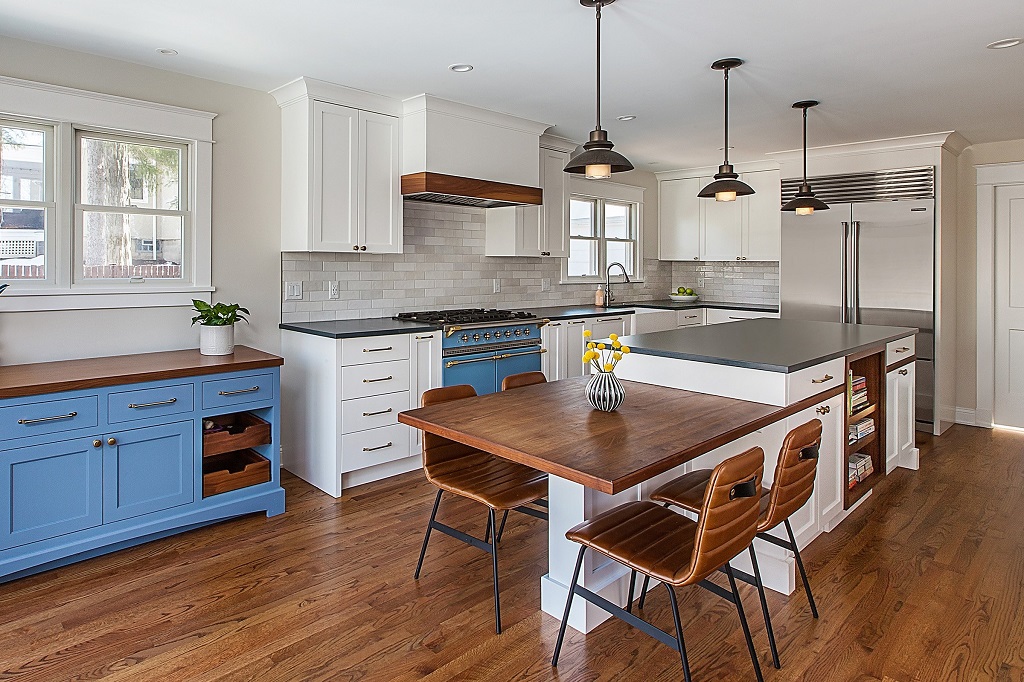
Key Benefits of a Kitchen Remodel
- Increased Home Value: Modern, updated kitchens attract buyers and add resale value.
- Improved Functionality: Optimized layouts and smart storage solutions make daily tasks easier.
- Energy Efficiency: New appliances and lighting reduce utility costs.
- Personalized Style: Customize your space to match your taste, from minimalist to rustic.
Step 1: Define Your Vision and Goals
Before picking up a hammer or browsing Pinterest, clarify your goals. Are you aiming for a modern kitchen with clean lines or a cozy, farmhouse-inspired space? Consider your lifestyle—do you need a spacious island for entertaining or extra storage for a growing family?
Questions to Ask Yourself
- What’s my budget, and how much wiggle room do I have?
- Do I want a full remodel or a partial refresh (e.g., new countertops or cabinets)?
- What pain points do I want to address (e.g., lack of counter space, poor lighting)?
- Are there eco-friendly or smart home features I want to incorporate?
Pro Tip: Create a mood board with inspiration from magazines, websites, or social media to visualize your ideal kitchen design. Tools like Canva or Houzz can help organize your ideas.
Step 2: Plan Your Kitchen Layout
A seamless kitchen renovation hinges on a well-thought-out layout. The classic “kitchen triangle” (sink, stove, refrigerator) ensures efficient workflow, but modern designs often incorporate zones for prep, cooking, and cleanup. Popular layouts include:
- L-Shaped: Ideal for small to medium kitchens, offering flexibility and open space.
- U-Shaped: Perfect for larger spaces, maximizing storage and counter space.
- Galley: Great for narrow kitchens, with appliances and cabinets along two walls.
- Island or Peninsula: Adds workspace and doubles as a casual dining or social hub.
Consider consulting a professional designer to optimize your layout, especially if you’re moving plumbing or electrical systems. They can ensure compliance with building codes and maximize space efficiency.
Step 3: Set a Realistic Budget
Kitchen renovations can range from $10,000 for a cosmetic refresh to $50,000+ for a full overhaul. To avoid overspending, break down costs into categories:
- Cabinetry: 30-40% of the budget (custom vs. stock cabinets impacts cost).
- Countertops: 10-20% (materials like quartz, granite, or laminate vary widely).
- Appliances: 15-20% (energy-efficient models may cost more upfront but save long-term).
- Labor: 20-30% (hiring pros for plumbing, electrical, or installation).
- Miscellaneous: 10-15% (permits, unexpected repairs, or design fees).
Budget-Saving Tips
- Reface, Don’t Replace: Refinishing cabinets can save thousands compared to new ones.
- Shop Smart: Look for sales on appliances or consider gently used options.
- DIY Where Possible: Painting walls or installing backsplashes can cut labor costs.
- Plan for Contingencies: Set aside 10-15% of your budget for unexpected expenses.
Step 4: Choose High-Quality Materials
Selecting durable, stylish materials is key to a kitchen that looks great and lasts. Here’s a quick guide to popular options:
Countertops
- Quartz: Low-maintenance, durable, and available in various colors.
- Granite: Timeless and heat-resistant but requires periodic sealing.
- Butcher Block: Warm and budget-friendly but needs regular maintenance.
- Laminate: Affordable and versatile, mimicking pricier materials.
Flooring
- Hardwood: Classic and durable but can be prone to water damage.
- Porcelain Tile: Waterproof, easy to clean, and available in many styles.
- Vinyl: Budget-friendly, water-resistant, and mimics wood or stone.
Backsplashes
- Subway Tile: Affordable and timeless, perfect for classic or modern kitchens.
- Glass Mosaic: Adds a pop of color and is easy to clean.
- Natural Stone: Offers a luxurious look but may require sealing.
Pro Tip: Request samples to see how materials look under your kitchen’s lighting. Natural light can dramatically affect color perception.
Step 5: Incorporate Smart and Sustainable Features
Modern kitchens blend style with technology and sustainability. Consider these upgrades:
- Smart Appliances: Wi-Fi-enabled ovens or fridges streamline tasks and improve efficiency.
- Energy-Efficient Lighting: LED lights reduce energy use and enhance ambiance.
- Low-Flow Faucets: Save water without sacrificing performance.
- Recycled Materials: Opt for countertops or cabinets made from sustainable sources.
These features not only reduce environmental impact but also appeal to eco-conscious buyers if you sell your home.
Step 6: Hire the Right Professionals
While DIY projects can save money, complex tasks like electrical work, plumbing, or structural changes require skilled professionals. Research contractors with strong reviews, proper licensing, and insurance. Get multiple quotes and ask for references to ensure quality work.
Questions to Ask Contractors
- How long have you been specializing in kitchen remodels?
- Can you provide a detailed timeline and cost breakdown?
- Are you familiar with local permitting requirements?
- Do you offer warranties on your work?
Pro Tip: Use platforms like Angi or HomeAdvisor to find vetted professionals in your area.
Step 7: Manage the Renovation Process
A seamless renovation requires clear communication and organization. Create a timeline with your contractor, factoring in lead times for materials (e.g., custom cabinets can take 8-12 weeks). Stay involved by checking progress regularly and addressing issues promptly.
Tips for a Smooth Renovation
- Set Up a Temporary Kitchen: Use a microwave, toaster oven, or outdoor grill to manage meals.
- Protect Your Home: Cover floors and furniture to minimize dust and damage.
- Stay Flexible: Delays happen, so build buffer time into your schedule.
Step 8: Add Personal Touches
Once the major work is done, focus on details that make your kitchen uniquely yours. Consider:
- Hardware: Swap basic cabinet knobs for sleek pulls or vintage-inspired designs.
- Open Shelving: Display stylish dishware or plants for a cozy vibe.
- Color Accents: Use bold paint or accessories to add personality.
- Functional Decor: Incorporate items like a chalkboard wall or herb garden.
Common Challenges and How to Overcome Them
- Unexpected Costs: Stick to your contingency budget and prioritize must-haves.
- Delays: Order materials early and maintain open communication with your contractor.
- Decision Fatigue: Break decisions into smaller steps and lean on your mood board for guidance.
- Living Through Construction: Designate a dust-free zone in your home for comfort.
FAQs About Kitchen Renovations
How long does a kitchen renovation take?
A minor remodel (e.g., new countertops, paint) takes 2-6 weeks, while a full renovation can take 3-6 months, depending on complexity and material lead times.
What’s the average cost of a kitchen remodel?
Costs range from $10,000-$50,000+, with mid-range remodels averaging $25,000-$35,000, per the 2023 Cost vs. Value Report.
Should I hire a designer or contractor first?
Start with a designer to refine your vision, then hire a contractor to execute it. Some contractors offer design-build services, combining both roles.
Can I live in my home during a kitchen renovation?
Yes, but it’s disruptive. Set up a temporary kitchen and plan for noise, dust, and limited access.
How do I choose eco-friendly materials?
Look for certifications like FSC (Forest Stewardship Council) for wood or GREENGUARD for low-emission products. Recycled or reclaimed materials are also great options.
Read More Also: Bathroom Remodeling Solutions for Modern Living
Conclusion: Bring Your Dream Kitchen to Life
A kitchen renovation is an exciting opportunity to create a space that’s both beautiful and functional. By defining your goals, planning carefully, and choosing quality materials, you can achieve a seamless transformation that elevates your home. Ready to start? Begin by sketching your vision or consulting a professional to turn your ideas into reality. Share your renovation plans or questions in the comments below—we’d love to hear about your dream kitchen!