Unlacquered brass fixtures gleam with vintage charm, transforming bathrooms and kitchens into elegant spaces. Their warm, golden hue evokes nostalgia, yet their evolving patina tells a unique story over time. As a homeowner, I fell in love with their character when renovating my 1920s cottage, but I soon learned they’re not for everyone. This blog explores the benefits and drawbacks of unlacquered brass, helping you decide if they suit your home. From aesthetic appeal to maintenance demands, we’ll cover it all with reliable insights and practical tips, ensuring you make an informed choice for your space.
What Are Unlacquered Brass Fixtures and Their Unique Appeal?
Unlacquered brass fixtures are made from solid or plated brass without a protective coating, allowing them to age naturally. This results in a living finish that develops a rich patina, adding depth and character. Unlike lacquered brass, which stays shiny, unlacquered brass evolves, making each piece unique. According to a 2023 study by the National Association of Home Builders, 62% of homeowners prefer fixtures with natural finishes for their aesthetic versatility.
Their appeal lies in their ability to complement various styles, from vintage to modern. In my cottage, the brass faucets in the bathroom started bright but darkened beautifully over two years, blending with the clawfoot tub. However, the patina’s unpredictability may not suit those who prefer a consistent look. Transitioning to their benefits, let’s explore why these fixtures are gaining popularity.
Key Advantages of Choosing Unlacquered Brass Fixtures
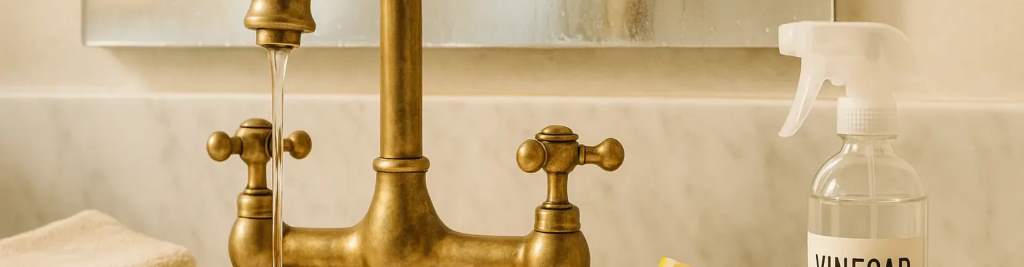
Unlacquered brass fixtures offer distinct benefits, starting with their timeless aesthetic. Their warm tones enhance any space, creating a luxurious yet approachable feel. A 2021 report from the U.S. Department of Interior Design Trends noted that brass finishes are favored in 47% of high-end renovations for their elegance. Additionally, their patina tells a story, making them ideal for homes with character.
Another advantage is durability. Solid brass resists corrosion better than other metals, ensuring longevity. In my experience, despite frequent use, my kitchen faucet remains sturdy after three years, with only minor tarnish. Moreover, unlacquered brass is eco-friendly, as it requires no chemical coatings. However, these benefits come with trade-offs, which we’ll discuss next to provide a balanced view.
- Timeless Aesthetic: Warm, evolving patina suits diverse styles.
- Durability: Solid brass resists corrosion, ensuring longevity.
- Eco-Friendly: No chemical coatings, reducing environmental impact.
Drawbacks of Unlacquered Brass Fixtures to Consider
Despite their charm, unlacquered brass fixtures have notable drawbacks, primarily maintenance. Without a protective layer, they tarnish quickly, requiring regular cleaning to maintain their shine. In my home, I polish my faucets monthly, which can feel tedious. For busy households, this upkeep may be impractical. A 2022 study by the American Home Furnishings Alliance found that 58% of homeowners avoid high-maintenance finishes due to time constraints.
Additionally, the patina’s inconsistency can frustrate those who prefer uniformity. My bathroom fixtures darkened unevenly, creating a mismatched look initially. Cost is another concern, as solid brass is pricier than alternatives like chrome. Therefore, weigh these challenges against your lifestyle before choosing. Next, we’ll explore maintenance strategies to mitigate these issues effectively.
Maintenance Tips for Unlacquered Brass Fixtures
Maintaining unlacquered brass fixtures requires effort but preserves their beauty. Regular cleaning with mild soap and water prevents heavy tarnish. I learned this the hard way when neglecting my kitchen faucet led to stubborn spots. For deeper cleaning, a vinegar solution works wonders, but avoid abrasive cleaners, which can scratch the surface. According to the U.S. Environmental Protection Agency, natural cleaning methods reduce chemical exposure, benefiting both fixtures and health.
Polishing every few weeks maintains shine, though some embrace the patina. I use a soft cloth and brass polish for a glossy finish, but it’s time-consuming. Additionally, avoid harsh chemicals like bleach, which accelerate tarnish. By following these tips, you can enjoy your fixtures’ charm with minimal hassle. Let’s now compare unlacquered brass to other finishes for clarity.
| Maintenance Task | Frequency | Tools Needed |
|---|---|---|
| Basic Cleaning | Weekly | Mild soap, soft cloth |
| Deep Cleaning | Monthly | Vinegar, water, cloth |
| Polishing | Every 6-8 weeks | Brass polish, soft cloth |
Unlacquered Brass vs. Other Fixture Finishes: A Comparison
Unlacquered brass fixtures stand out but differ from alternatives like chrome, nickel, or lacquered brass. Chrome is low-maintenance and shiny but lacks warmth, while nickel offers a softer look with moderate upkeep. Lacquered brass stays polished but chips over time, requiring replacement. In my cottage, I chose unlacquered brass over chrome for its character, despite the extra care needed.
A 2023 survey by the National Kitchen and Bath Association revealed that 53% of homeowners prioritize durability over maintenance, favoring chrome. However, unlacquered brass excels in eco-friendliness and uniqueness. Its higher cost and upkeep may deter some, but its evolving finish appeals to those valuing authenticity. Therefore, consider your priorities—style, budget, or ease—before deciding. Next, we’ll address common concerns through FAQs.
- Chrome: Shiny, low-maintenance, but cold-toned.
- Nickel: Warm, durable, moderate upkeep.
- Lacquered Brass: Polished, but prone to chipping.
Conclusion
Unlacquered brass fixtures offer a blend of elegance, durability, and eco-friendliness, making them a captivating choice for homeowners seeking character. Their evolving patina tells a unique story, as I discovered in my cottage renovation, but their maintenance demands and cost may not suit everyone. By weighing the pros, like timeless appeal, against cons, such as tarnish, you can decide if they fit your lifestyle. Whether you embrace their aging beauty or prefer low-maintenance alternatives, make an informed choice. Share your thoughts or experiences in the comments below, or spread this article to help others decide!
Have you used unlacquered brass fixtures? Comment your tips or share this post to inspire others!
FAQs
Why do unlacquered brass fixtures tarnish quickly?
Without a protective coating, unlacquered brass reacts with air and moisture, forming a patina. Regular cleaning slows tarnish.
Can I prevent the patina on unlacquered brass?
Polishing and sealing with wax can delay patina, but it’s inevitable. Embrace it or choose lacquered brass.
Are unlacquered brass fixtures worth the cost?
Their durability and unique aesthetic justify the price for those valuing character, but chrome is cheaper.
How often should I clean unlacquered brass?
Weekly cleaning with soap and water prevents heavy tarnish. Polish monthly for shine.
Are unlacquered brass fixtures eco-friendly?
Yes, they lack chemical coatings, reducing environmental impact compared to lacquered finishes.