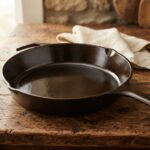
Whether you’re making weekend pancakes, sizzling steaks, or perfectly toasted sandwiches, a cast iron griddle pan is one of the most versatile pieces of cookware you can own. Its timeless design, superior heat retention, and unmatched durability make it an essential tool in every kitchen — especially when used on a gas stove. In this comprehensive guide, we’ll explore everything you need to know about cast iron griddle pans, from their benefits and usage tips to maintenance, seasoning, and expert recommendations.
What Is a Cast Iron Griddle Pan?
A cast iron griddle pan is a flat or slightly ridged cooking surface made from solid cast iron. Unlike regular frying pans, griddle pans typically have a larger surface area, allowing you to cook multiple items at once — ideal for breakfast spreads or grilling multiple burgers. They come in rectangular or square shapes and are built to withstand extremely high heat without warping or losing performance.
One of the key advantages of cast iron is its ability to absorb, retain, and evenly distribute heat. This ensures that your food cooks consistently, with beautifully browned surfaces and locked-in flavors — a crucial quality when cooking on the open flame of a gas stove.
Why Choose a Cast Iron Griddle Pan for Gas Stoves?
Gas stoves offer direct, adjustable heat — and cast iron griddles are perfectly suited to make the most of it. Here’s why:
1. Superior Heat Retention
Cast iron heats slowly but holds onto that heat for a long time, providing a steady, consistent temperature. This makes it ideal for searing meats, caramelizing vegetables, or creating that perfect golden crust on pancakes and grilled sandwiches.
2. Even Cooking Surface
Uneven heating can lead to undercooked or overcooked food. With cast iron, the entire surface heats uniformly, ensuring every inch of your meal cooks to perfection.
3. Versatility in the Kitchen
A cast iron griddle isn’t just for pancakes. You can use it to sear steaks, cook fish, grill sandwiches, roast vegetables, or even bake flatbreads. Its ability to transition from stovetop to oven makes it even more versatile.
4. Durability That Lasts Generations
With proper care, a cast iron griddle can last decades — even generations. Unlike non-stick pans that degrade over time, cast iron improves with use as its seasoning layer becomes stronger and more non-stick.
5. Natural Non-Stick and Chemical-Free
Once seasoned, a cast iron surface becomes naturally non-stick without the need for harmful synthetic coatings. This makes it a healthier choice for your kitchen.
Key Features to Consider Before Buying
Before purchasing a cast iron griddle pan for your gas stove, keep these important features in mind:
- Size & Shape: Choose a size that fits your burner setup. Rectangular pans cover two burners and are great for batch cooking, while square griddles are ideal for smaller tasks.
- Weight & Thickness: Heavier pans retain heat better but require more effort to handle. Thicker pans also resist warping.
- Pre-Seasoned vs. Unseasoned: Pre-seasoned pans are ready to use out of the box, while unseasoned versions require an initial seasoning process.
- Handle Design: Look for ergonomic handles or helper handles for easy maneuvering.
- Compatibility: While optimized for gas stoves, some griddles are also induction-compatible or oven-safe.
How to Use a Cast Iron Griddle Pan on a Gas Stove

Using cast iron is straightforward, but following a few best practices will help you get the most out of your griddle:
- Preheat Properly: Place the griddle on the burner and let it heat slowly for 5-10 minutes. Cast iron works best when thoroughly preheated.
- Oil the Surface: Lightly coat the surface with high-smoke-point oil (like canola or avocado) to enhance the non-stick properties and flavor.
- Control the Heat: Medium heat is usually enough. High heat can cause sticking or burning, especially with delicate foods.
- Cook in Batches: Overcrowding the surface lowers the temperature, so cook in smaller batches for best results.
- Rest and Cool: Let the pan cool slowly after cooking. Sudden temperature changes can cause cracking.
Seasoning and Maintenance Tips
Seasoning is what makes cast iron special. It’s a layer of polymerized oil that builds up over time, creating a slick, non-stick surface and preventing rust.
How to Season Your Cast Iron Griddle:
- Wash and dry the griddle thoroughly.
- Rub a thin layer of oil over the entire surface (inside and out).
- Place it upside down in a 400°F (200°C) oven for about an hour.
- Let it cool in the oven before storing.
Repeat this process a few times initially, and then as needed over time.
Cleaning and Care:
- Avoid Soap: Use warm water and a stiff brush instead.
- Never Soak: Water causes rust. Dry it thoroughly after cleaning.
- Oil Lightly After Each Use: This maintains the seasoning and prevents oxidation.
Common Mistakes to Avoid
- Using soap or soaking the griddle in water.
- Not preheating before cooking — this often leads to sticking.
- Using metal utensils aggressively and scratching the seasoning.
- Leaving it wet or storing it in a damp environment.
Best Uses for a Cast Iron Griddle Pan
Here are some of the most popular ways to use your griddle:
- Cooking breakfast favorites like pancakes, bacon, and eggs.
- Grilling sandwiches, paninis, and quesadillas.
- Searing steaks, chicken breasts, and fish fillets.
- Roasting vegetables or cooking flatbreads and tortillas.
Recommended Brands
While there are many excellent cast iron griddles on the market, some top-rated brands include:
| Brand | Key Features | Best For |
|---|---|---|
| Lodge | Pre-seasoned, American-made, oven-safe | Everyday home cooking |
| Victoria | Ergonomic handles, versatile, budget-friendly | Beginners & occasional use |
| Le Creuset | Premium enamel coating, stylish design | Luxury cookware enthusiasts |
Final Thoughts
Investing in a cast iron griddle pan for your gas stove is one of the best upgrades you can make in your kitchen. With proper care, it will reward you with decades of delicious meals, healthier cooking, and a truly satisfying cooking experience. Whether you’re making simple breakfasts or gourmet dinners, cast iron will help you elevate every dish to a new level of flavor and quality.
Related Topic: Best Way to Store Bulk Spices After Buying
FAQs
1. Can I use a cast iron griddle pan on an induction cooktop?
Yes, most cast iron griddles work on induction cooktops because cast iron is magnetic. However, always check the manufacturer’s specifications.
2. How do I remove rust from my griddle pan?
Scrub the rust gently with steel wool, rinse, dry thoroughly, and re-season the pan. Regular oiling will prevent future rusting.
3. Is cast iron safe for high-heat searing?
Absolutely. Cast iron is excellent for high-heat searing thanks to its ability to retain and evenly distribute heat.
4. Do I need to season a pre-seasoned griddle?
While pre-seasoned pans are ready to use, additional seasoning layers improve their non-stick performance and longevity.
5. Can cast iron be used in the oven?
Yes. Cast iron is oven-safe and perfect for finishing dishes that require high heat or baking.